A Sunday morning pulpit usually demands reverence, hushed whispers, and absolute solemnity.
Yet on October 18, 1974, television screens across America lit up with a masterclass in sacred absurdity that completely rewrote the rules of televised comedy.
The legendary Flip Wilson Show became an altar of laughter when Richard Pryor stepped into the spotlight alongside Flip Wilson.
Two comedic titans collided in a legendary pairing of faux clergymen, delivering a sermon style that blended soulful cadence with razor-sharp street smarts.
Viewers tuning in that autumn evening witnessed an unforgettable collision of comedic genius that would echo through television history.
At the heart of this iconic sketch work was a celebration of storytelling, cultural resonance, and the sheer audacity of two pioneers at the absolute peak of their powers.
Before the pulpit banter reached its fever pitch, Richard Pryor laid the groundwork with an opening reflection that immediately grounded the sketch in his signature brand of vulnerable, gritty realism.
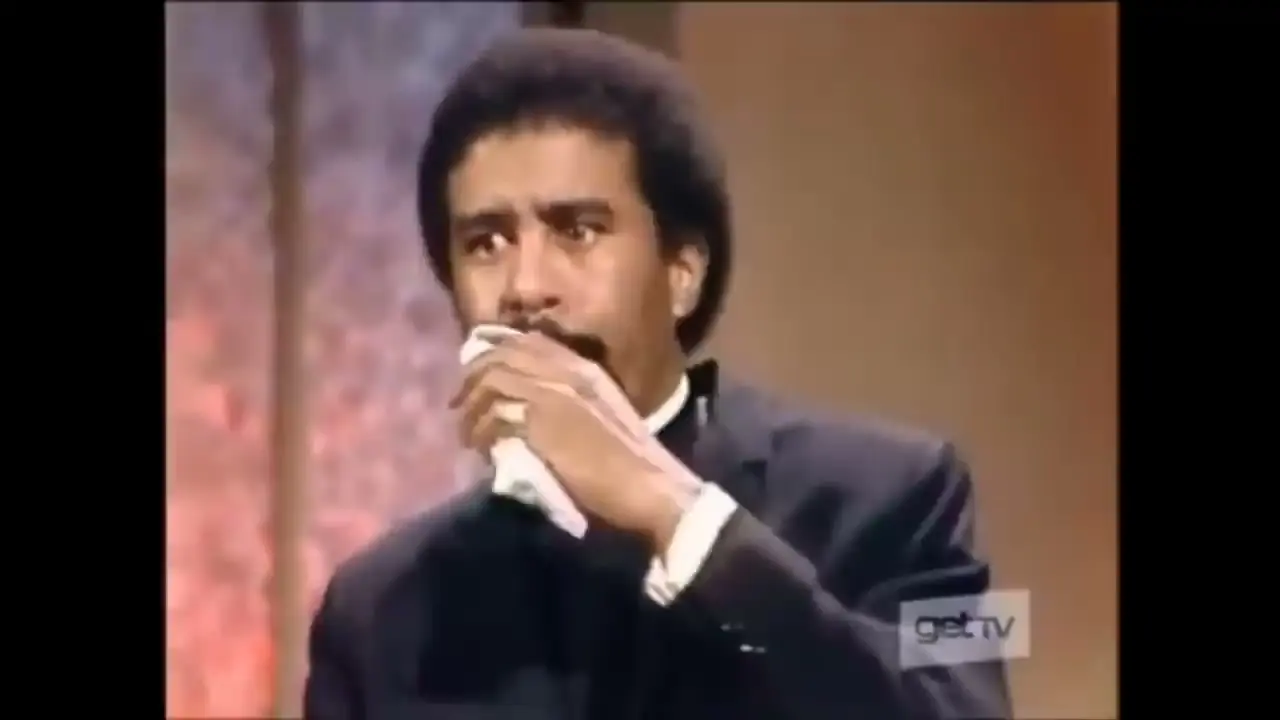
Standing tall and carrying an aura of unfiltered honesty, Pryor reflected on the winding road that led him toward spiritual awakening.
He shared a hilarious and unexpected backstory about his past encounters, contrasting where he met his friend versus where he met the Lord [00:45-01:10].
Pryor explained with deadpan delivery how he famously met the Lord while sitting in a jail cell for stealing a car [00:45-01:10].
This confession stood in uproarious contrast to his casual recollection of meeting his buddy down at the local pool room [00:45-01:10].
The studio audience erupted as Pryor painted this vivid mental picture, effortlessly blurring the lines between earthly trouble and divine intervention.
It was a quintessential Pryor moment, finding truth and humor in the most improbable corners of human experience.
With the stage thoroughly warmed by Pryor's confessional charm, Flip Wilson assumed full command as the charismatic Reverend Leroy.
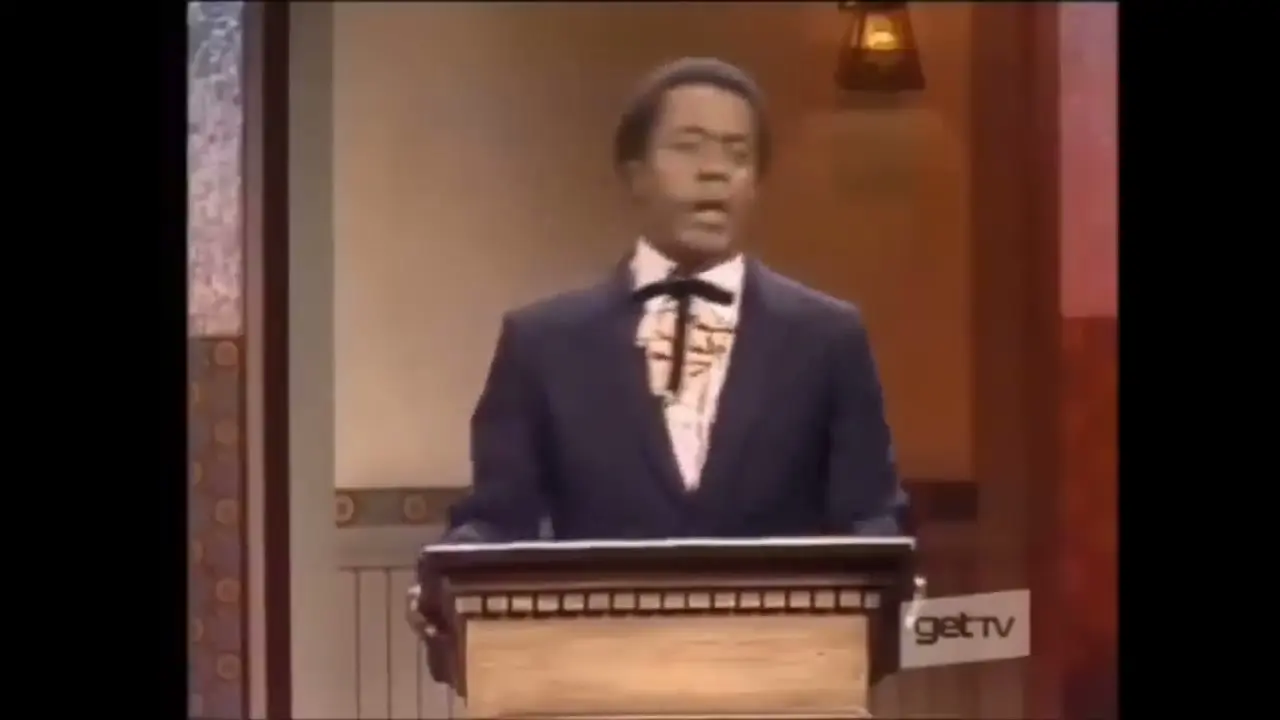
Clad in clerical garb and radiating supreme theatrical confidence, Wilson transformed the television soundstage into a roaring revival tent.
He wasted no time diving into the mechanics of spiritual persuasion, drawing parallels that left both the congregation on set and viewers at home howling with laughter.
Flip Wilson as Reverend Leroy broke down the similarities between delivering a powerful sermon and playing a game of craps [02:20-02:45].
With rhythmic hand gestures and absolute conviction, Wilson delivered a brilliant sermon analogy comparing the art of preaching directly to shooting craps [02:20-02:45].
He equated the cadence of a rolling pair of dice to the mounting energy of a fiery Sunday sermon, where every word carried high stakes.
The comparison was brilliantly absurd yet strangely poetic, capturing the rhythmic hustle of both street corners and Sunday sanctuaries.
Reverend Leroy's pulpit style was an exercise in theatrical bravado, mixing timeless biblical narratives with contemporary vernacular.
Leaning heavily into classic scripture, Wilson reinterpreted ancient tales through a lens uniquely suited to the mid-1970s variety show landscape.
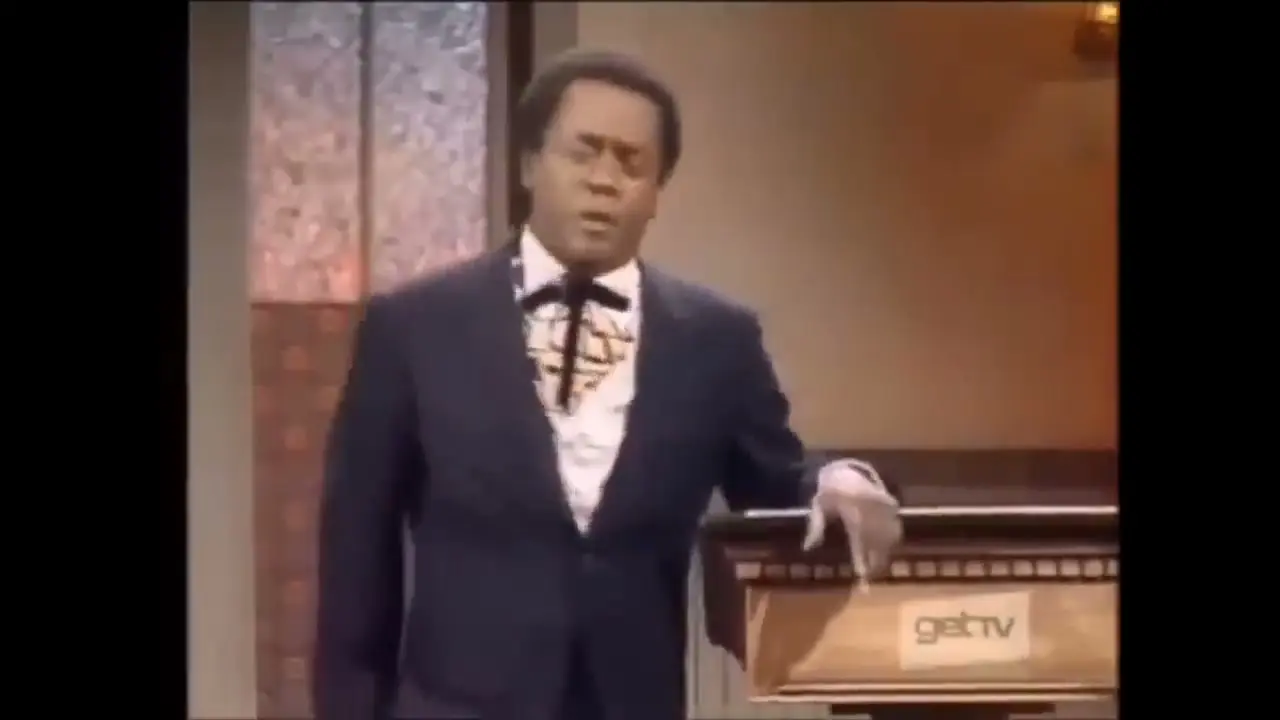
He turned legendary biblical showdowns into modern morality plays infused with impeccable comedic timing and physical theater.
Reverend Leroy narrated the dramatic biblical encounter where a polite young Hebrew boy respectfully introduces himself to the evil king [04:00-04:25].
Flip Wilson hilariously recounted how young Daniel politely addressed the Babylonian king as sir before being threatened with fiery consequences [04:00-04:25].
The juxtaposition of polite southern-style manners against an ancient tyrant's wrath showcased Wilson's peerless character work.
The audience hung on his every syllable as he built the tension toward the inevitable confrontation in the fiery furnace.
Expanding upon the fiery furnace narrative, Wilson pushed the comedic envelope even further into the realm of supernatural observation.
With a mischievous twinkle in his eye, he introduced a modern cinematic comparison to describe divine omniscience.
Reverend Leroy compared the Lord's all-seeing capabilities to Superman's x-ray vision while recounting the fiery furnace story [06:55-07:20].
Flip Wilson joked that the Lord has better x-ray vision than Clark Kent to look straight through solid brick walls [06:55-07:20].
The clever nod to comic book lore bridged generational divides, uniting children and adults in shared amusement.
No fiery trial or brick wall could keep divine observation at bay in Reverend Leroy's vividly imagined theological universe.
The sermon reached its majestic crescendo as Wilson tackled the legendary tale of Daniel in the lion's den.
Instead of focusing solely on the peril, Wilson zeroed in on the mundane logistical realities of sharing a subterranean cavern with starved predators.
Reverend Leroy hilariously explained the standoff in the lion's den, noting that the hungry beasts had nothing better to do [08:30-08:55].
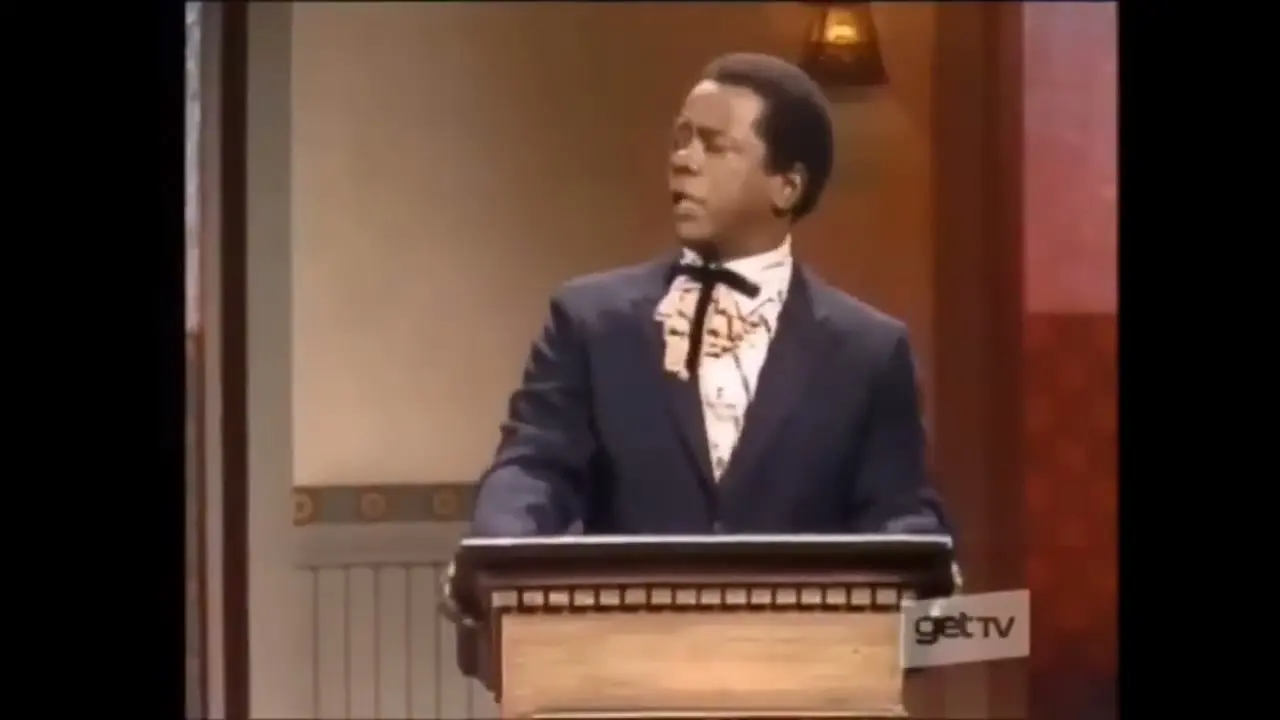
Flip Wilson explained why the lions in the den had no appointments and nowhere else to go [08:30-08:55].
This domestic, almost mundane spin on a biblical catastrophe turned a tale of mortal terror into an exercise in pure character comedy.
The lions weren't just ferocious beasts; they were restless bystanders caught up in an unexpected divine appointment.
As the sketch drew to a triumphant close, the synergy between Richard Pryor and Flip Wilson remained palpable in the air.
They had taken traditional forms of worship and oral storytelling, infusing them with the vibrant pulse of Black American comedy culture.
Decades after those studio lights dimmed on October 18, 1974, this masterclass in satire continues to stand as a testament to fearless artistry.
It reminds us that laughter, when wielded by masters like Pryor and Wilson, is the most sacred bridge of all.
Watch full video here: